

Craig the Great Tusker: Amboseli’s Gentle Giant Lives On
The peaceful passing of Craig, one of Africa’s last great tuskers, marks a historic conservation victory and a legacy that will inspire generations.
Read Full StoryExpert tips, wildlife stories, travel guides & conservation insights from Kenya and East Africa
The peaceful passing of Craig, one of Africa’s last great tuskers, marks a historic conservation victory and a legacy that will inspire generations.
Read Full Story
Discover the ideal months to witness the Great Wildebeest Migration and enjoy unforgettable game viewing in Masai Mara.
Read More
From clothing to camera gear, here’s everything you need to pack for a comfortable and successful safari adventure.
Read MoreThe natural death of an icon, protected 24/7, marks a historic victory for wildlife conservation in Kenya.
Today, the world mourns the loss of a true giant not just in size, but in spirit. Craig, Amboseli National Park’s legendary Great Tusker, has passed away peacefully from natural causes. His body was discovered on 3 January 2026, closing the remarkable chapter of one of Africa’s last surviving big tuskers.
Born in 1972, Craig became world-renowned for his immense ivory tusks, each weighing over 100 pounds (45 kg) and sweeping so low they nearly brushed the earth. He embodied the majesty of Africa’s elephant heritage, a living reminder of what once roamed freely across the continent.
Craig was more than a spectacle of nature. During the darkest years of the ivory poaching crisis, he became a global symbol of hope and resilience. His survival was no accident, it was the result of relentless conservation action.
For years, Craig lived under round-the-clock protection by the Kenya Wildlife Service (KWS), the Big Life Foundation, the Amboseli Trust for Elephants, and dedicated Maasai community rangers. Their vigilance shielded him from poachers, allowing him to live a full, natural life.
In wildlife conservation, a natural death is a triumph. Craig’s peaceful passing at approximately 54 years old proves that when communities, governments, and conservation partners unite, even the most targeted animals can thrive.
His life stands as undeniable evidence that anti-poaching efforts work and that coexistence between people and wildlife is possible.
Craig’s legacy will forever shape elephant conservation in Kenya and beyond. He inspired global support, funding, and renewed commitment to protecting endangered species and their habitats.
Rest easy, Craig. You were protected. You were respected. You will never be forgotten.
Understanding seasons, migrations, and magical moments in Kenya’s most iconic reserve.
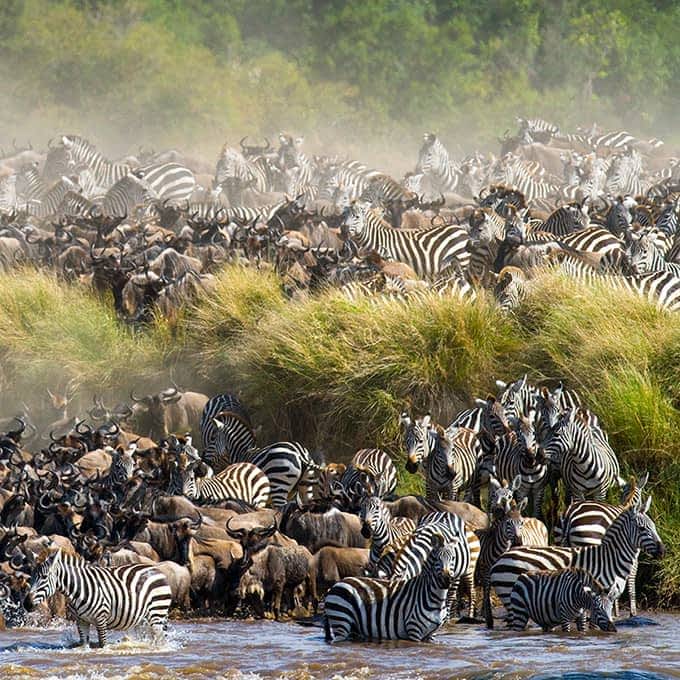
The Masai Mara is not just a destination, it is a living, breathing theatre of nature. Every month brings a different rhythm, a different story, and a different kind of magic. Choosing the best time to visit depends on what you want to witness from this legendary landscape.
This is the season that has made the Masai Mara world-famous. Between July and October, over 1.5 million wildebeest, zebras, and gazelles thunder across the plains from Tanzania’s Serengeti in search of fresh pasture.
River crossings along the Mara River are heart-stopping moments of survival. Crocodiles lie in wait, predators stalk the herds, and dust clouds rise as hooves pound the earth. It is raw, emotional, and unforgettable.
These months offer warm days, golden landscapes, and excellent visibility. It is calving season for many herbivores, which means predators such as lions, cheetahs, and leopards are highly active.
Photographers love this time for its dramatic skies, fewer crowds, and intimate wildlife encounters.
Known as the green season, this period transforms the Mara into a lush paradise. Fewer visitors, discounted rates, and breathtaking scenery make it a hidden gem for travelers seeking tranquility and authenticity.
Birdlife flourishes, landscapes glow emerald, and wildlife remains abundant. For those who value peace over crowds, this is the Mara at its most soulful.
There is no wrong time to visit the Masai Mara. There is only the right moment for the experience you seek.
What every traveler should carry into the African wilderness — and what to leave behind.
A safari is unlike any other journey. You are not just visiting a place — you are stepping into nature’s rhythm. Packing wisely ensures comfort, safety, and unforgettable moments in the wild.
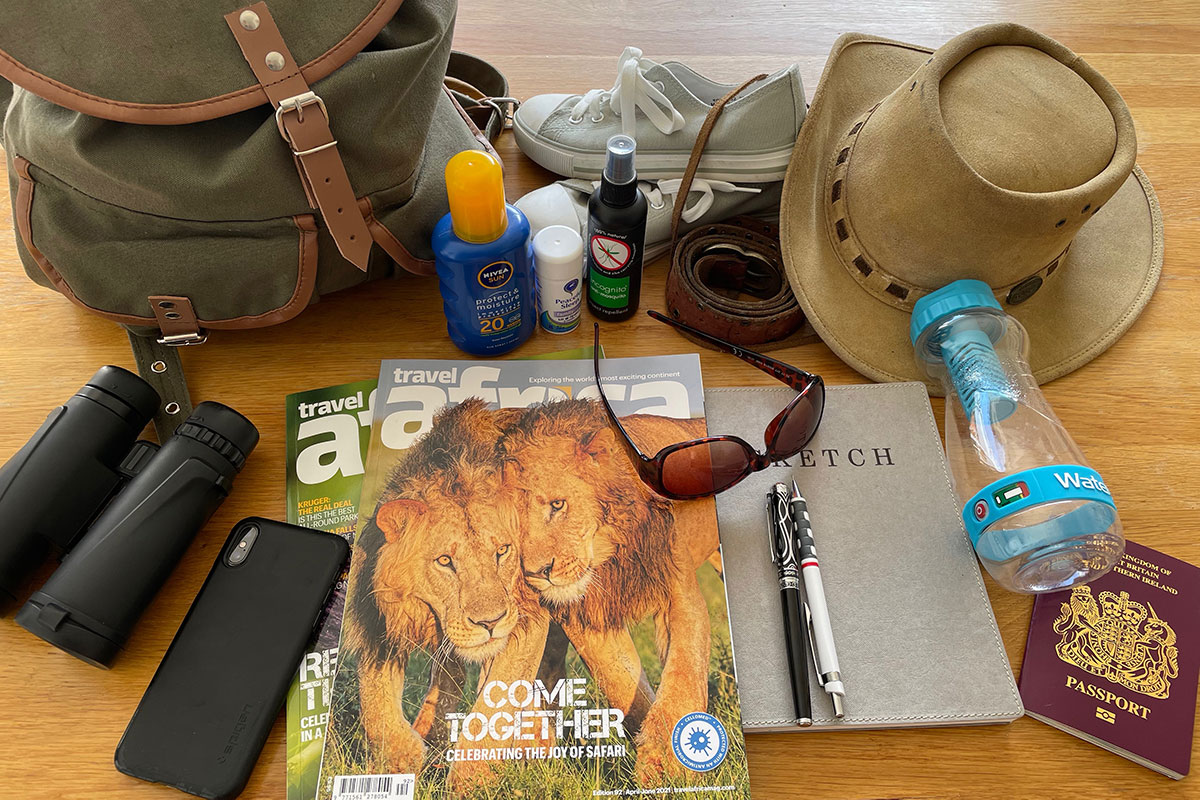
Neutral colors such as khaki, beige, olive, and brown help you blend into the environment and avoid attracting insects. Lightweight, breathable fabrics are essential for warm days, while a fleece or light jacket keeps you comfortable during cool mornings and evenings.
A wide-brimmed hat, sunglasses, and a scarf or buff provide protection from the sun and dust.
Closed, comfortable walking shoes or lightweight boots are ideal for game drives and nature walks. Avoid heavy hiking boots unless your itinerary includes extensive walking safaris.
A good camera with extra batteries and memory cards is a must. Binoculars bring distant wildlife closer, while sunscreen, insect repellent, and personal medications ensure peace of mind.
A small daypack is useful for carrying essentials during game drives, and a reusable water bottle helps you stay hydrated while reducing plastic waste.
Avoid bright colors, strong perfumes, hard suitcases (most safari flights require soft bags), and unnecessary electronics. On safari, less truly is more.
Pack thoughtfully. The lighter your bag, the freer your spirit — and the deeper your safari experience.